
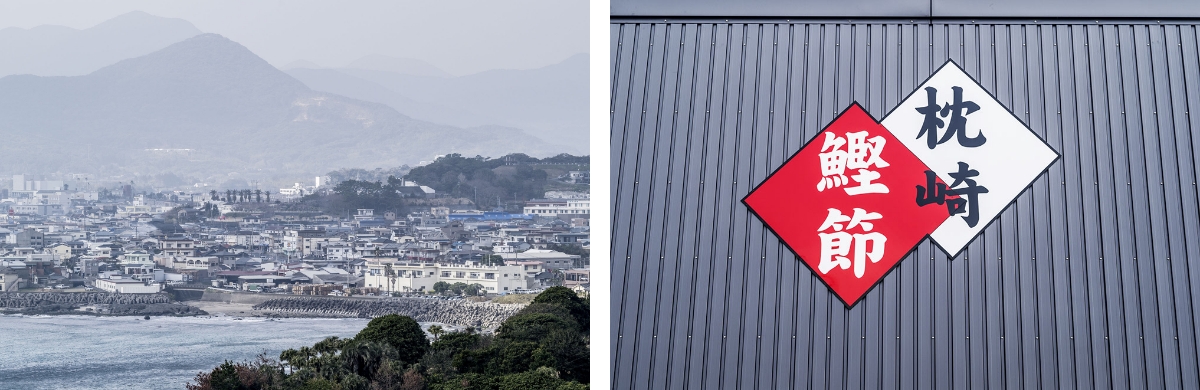
Makurazaki City in Kagoshima Prefecture boasts a history of over 300 years as one of Japan’s most renowned production areas of katsuobushi (dried bonito flakes).
Founded in 1950, Nishimura Asamori Shoten Co., Ltd. has consistently upheld a “quality-first” philosophy and currently produces approximately 200 metric tons of katsuobushi annually.
In recent years, our professional-grade dashi packs have earned high acclaim from central kitchens and other large-scale food service operations. We are also actively expanding our export business to meet growing international demand.
Export Track Record
United States / Malaysia / Hong Kong
English-speaking staff are available.
- U.S. HACCP Compliant (FDA-Registered Facility)
- HALAL Certified
- ISO 22000 Certified (Grinding Facility)
- Full Traceability System
For Professional Use
We manufacture professional-grade dashi packs and offer OEM services.
Our products enable stable and consistent dashi extraction, ensuring excellent flavor reproducibility. They also contribute to improved operational efficiency in professional kitchens and have been highly evaluated by central kitchens and other food service facilities.
We are capable of handling large-volume production.
Dashi Pack Sizes:50 g / 100 g / 200 g
A Heritage of Over 300 Years
With a proud history spanning more than 300 years, Makurazaki is Japan’s leading katsuobushi production area, accounting for approximately 40% of the nation’s total output. In 2011, “Makurazaki Katsuobushi” was officially registered as a regional collective trademark, certifying only products that meet strict quality standards.
Makurazaki Fishing Port, designated as a Type III Specified Fishing Port, lands approximately 65,000 tons of bonito annually. Smoke rising from the chimneys of more than 50 katsuobushi factories across the city symbolizes Makurazaki’s enduring industry.
On May 5th, Japan’s Children’s Day, “Katsuo Nobori” (bonito streamers) are flown across the sky instead of traditional carp streamers, reflecting the city’s deep connection to bonito—a fish also featured in the city emblem. Local restaurants offer regional specialties such as Buen Katsuo and Katsuo Funabito Meshi, showcasing Makurazaki’s unique food culture centered on fresh bonito.
Through its history, society, and culture, Makurazaki has flourished as a true city of bonito.
Recognized for Excellence
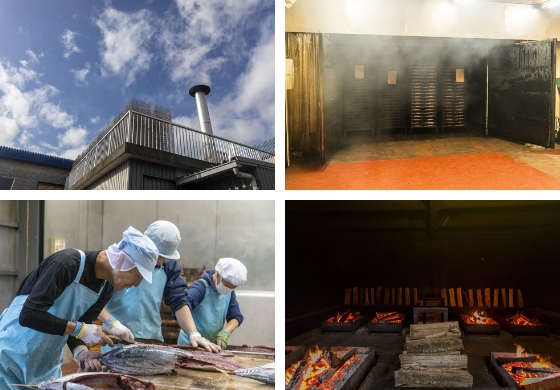
Since its founding in 1950, Nishimura Asamori Shoten has remained faithful to the philosophy of its founder—producing katsuobushi using traditional, time-honored methods rooted in the fundamentals.
We carefully evaluate freshness, fish quality, and fat content, selecting only bonito best suited for katsuobushi production. From early morning at 7:00 a.m., our factory comes alive with energy as craftsmen begin their work using firewood and specialized knives, processing each fish swiftly yet meticulously.
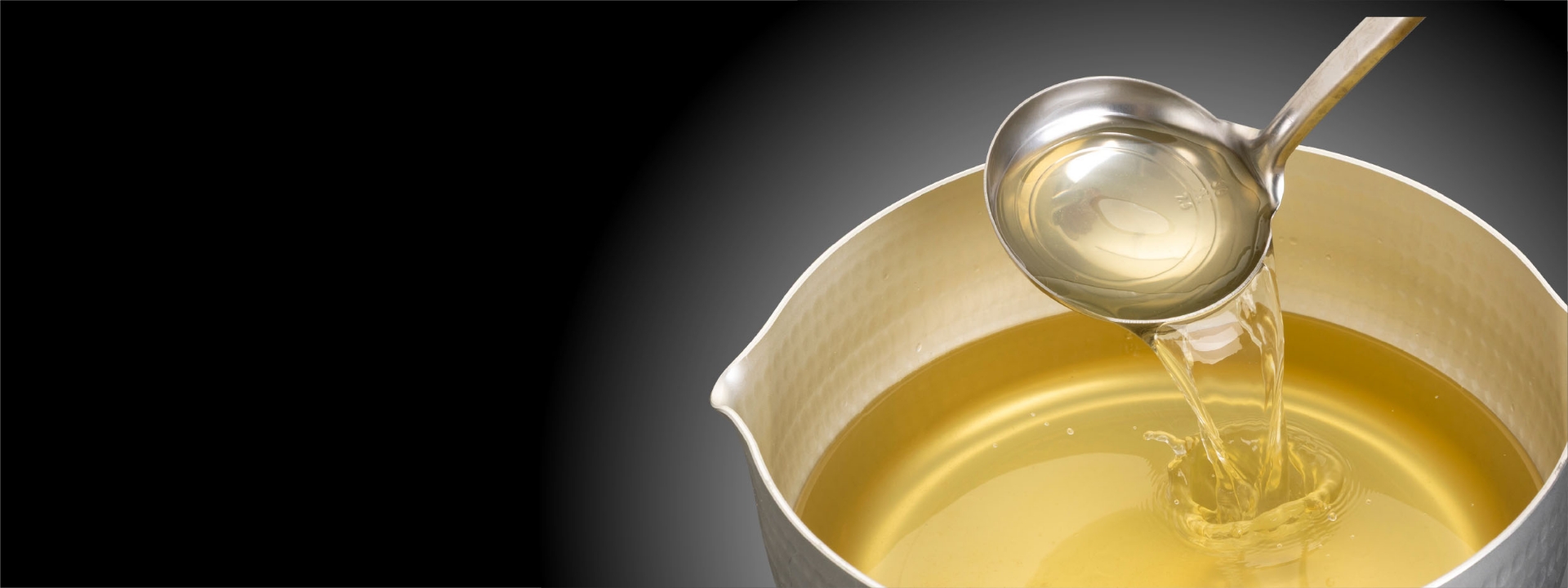
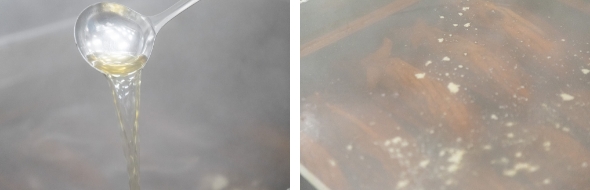
Guided by the belief that “delicious katsuobushi begins with a superior simmering broth,” our craftsmen devote approximately two hours to carefully skimming impurities by hand. Through our proprietary simmering technique, the broth develops a radiant golden hue, richly concentrated with natural bonito umami. This process refines and sharpens the true “power of dashi,” producing katsuobushi of exceptional clarity, aroma, and depth.
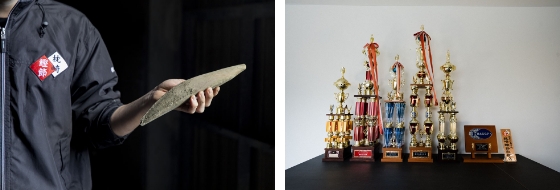
The katsuobushi created through decades of dedicated refinement has received numerous accolades, including praise such as “exceptionally pronounced aroma and umami” and “a rich dashi can be extracted using only half the usual amount.”
At the National Katsuobushi Competition, held once every four years, we have been honored with:
- Minister of Agriculture, Forestry and Fisheries Award (2 times)
- Fisheries Agency Commissioner Award (4 times)
Authentic Honkarebushi from Its Place of Origin
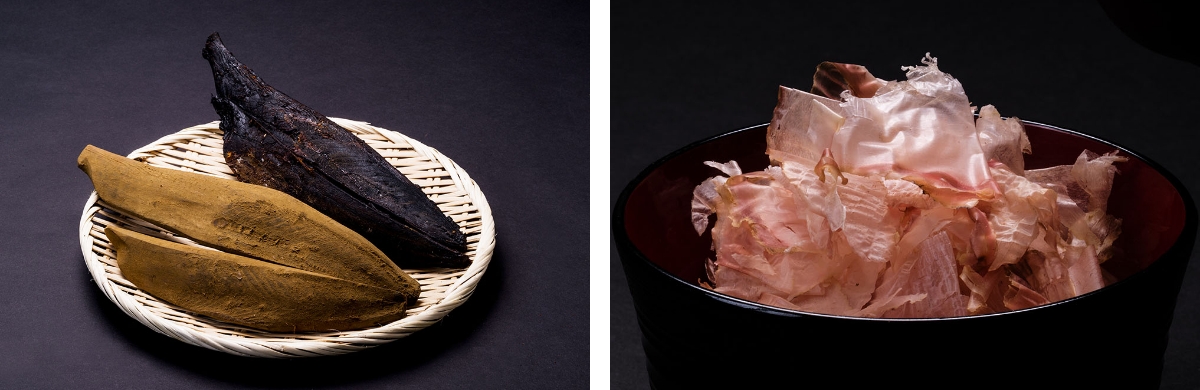
Katsuobushi generally falls into two categories: Arabushi and Honkarebushi.
Arabushi is completed in approximately two to three weeks through simmering, bone removal, and repeated smoking and drying. It is known for its bold aroma and strong umami, and most commercially available katsuobushi belongs to this category.
Honkarebushi, by contrast, undergoes repeated drying and mold cultivation, followed by more than two months of aging. This extended process yields a clear, refined dashi with mellow umami, making it highly prized as a premium katsuobushi by traditional Japanese restaurants. Due to the time and expertise required, producers of Honkarebushi have become increasingly rare.
At Nishimura Asamori Shoten, we produce a wide range of katsuobushi-related products—from Arabushi and Honkarebushi to powdered products and dashi packs—and also offer custom blended dashi solutions.
By preserving traditional craftsmanship and carefully controlled processes, we strive to share the authentic aroma and umami of katsuobushi with people around the world.
Company Profile
FAX: +81-993-73-1800
(Annual Production Volume: approx. 200 metric tons)
- Honkarebushi (Fully Fermented & Aged Bonito)
- Arabushi (Smoked & Dried Bonito)
- Dashi Packs
- Hana Katsuo (Bonito Flakes)
- Bonito Powder
- Custom Blended Products
- Recipient of Japan’s Highest Ministerial Award (2 Times)
- Fisheries Agency Commissioner Award (4 Times)